5 Ways Laser Dentistry Can Make Visits More Comfortable
What is laser dentistry?
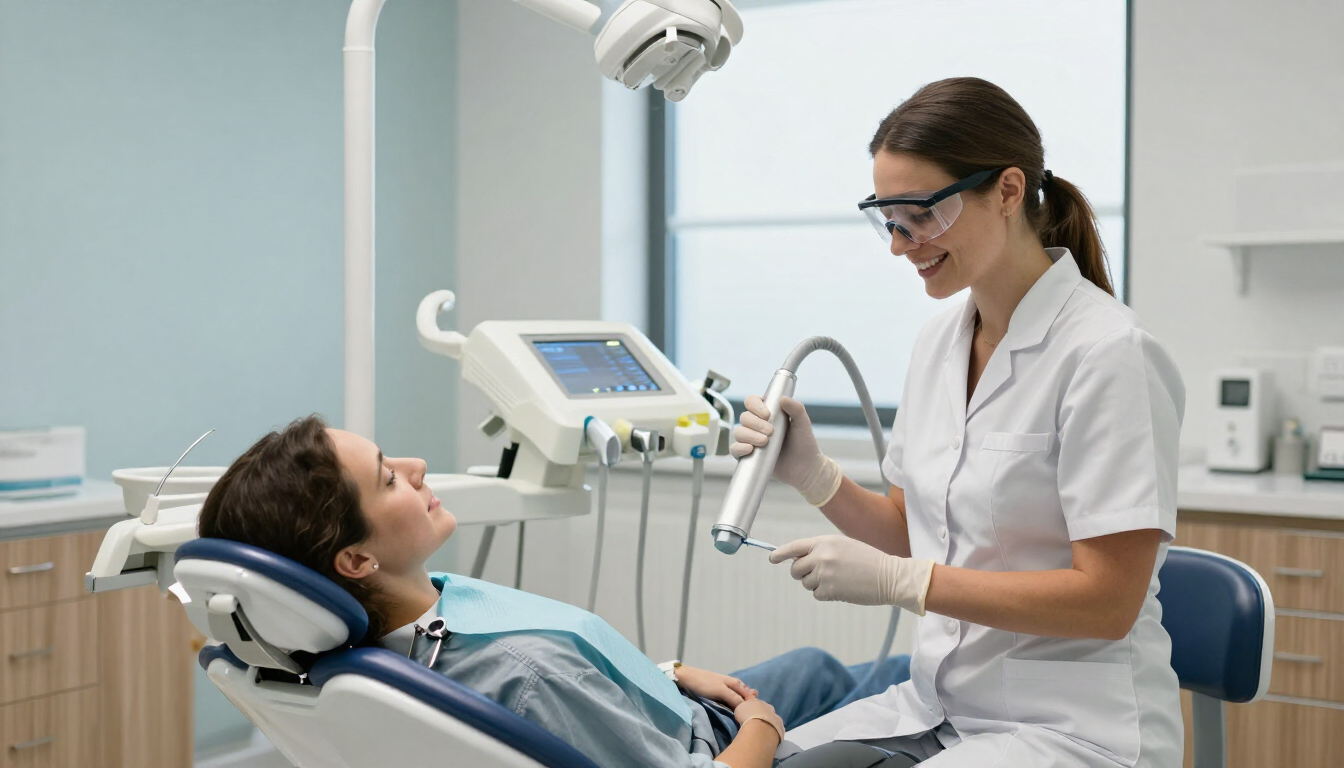
Laser dentistry uses concentrated light energy during selected dental procedures. Depending on the wavelength and treatment, a dental laser can gently remove or reshape tissue, reduce bacteria, or support healing. It does not replace every dental instrument, but it can be a useful addition to a modern treatment plan.
At Dr. Donald Marks’ practice, the goal is not simply to use advanced technology for the sake of using it. The goal is to provide thoughtful, personalized care that helps patients feel more informed and at ease. Laser treatment may be considered alongside traditional techniques when it is clinically appropriate for your needs.
How does laser dentistry make dental visits more comfortable?
Comfort can improve in several ways. Every patient and procedure is different, but laser dentistry may offer these potential advantages:
- Less vibration and noise: Unlike a conventional dental drill, some lasers operate with little or no vibration. This can be especially reassuring for patients who feel anxious about the sensation of dental equipment.
- More precise treatment: Laser energy can be carefully directed at the area being treated, helping your dentist work with control while preserving surrounding tissue.
- Reduced bleeding: In certain soft-tissue procedures, the laser can seal small blood vessels as it works. This may create a cleaner treatment field and reduce bleeding.
- Less swelling: Some patients experience less irritation after appropriate laser procedures, although recovery depends on the treatment and individual health.
- Potentially easier healing: Laser energy may reduce bacteria in the treated area and support a comfortable healing process.
These benefits are not guaranteed for every procedure. Your dentist will explain whether laser dentistry is suitable and what you should expect before treatment begins.
Is laser dentistry less painful than traditional treatment?
Laser dentistry can be more comfortable for some procedures, but “painless” is not a promise that applies to every patient or treatment. Many laser procedures require little or no local anesthesia, while others still need numbing for your comfort and safety.
The type of laser, the area being treated, the depth of treatment, and your sensitivity all matter. A caring dental team will discuss your comfort preferences, explain each step, and pause if you need a break. If dental anxiety has kept you from scheduling care, mention it when you contact the practice .
Comfort starts before treatment
A relaxed visit involves more than technology. Consider asking about:
- Whether a laser is appropriate for your specific procedure
- What sensations you may notice during treatment
- Whether local anesthesia will be recommended
- How long the appointment and recovery may take
- What you can do if you feel nervous
Which dental procedures may use lasers?
Laser dentistry may be used in selected soft-tissue and gum treatments, as well as some procedures involving tooth structure. Examples can include treatment of gum tissue, removal of certain areas of decay, reshaping of soft tissue, and support for periodontal care.
Not every office uses lasers for the same services, and not every patient benefits from them. A comprehensive examination is the first step. To understand the broader care available, explore general dentistry , or ask the team which approach best fits your goals.
Can laser dentistry help patients with dental anxiety?
It may. Patients who are sensitive to drilling sounds, vibration, or the anticipation of a lengthy appointment sometimes feel more comfortable when a laser can be used for an appropriate procedure. A quieter or gentler experience may help reduce stress, but the best approach is personal.
A supportive practice can also help by:
- Explaining the treatment in plain language
- Agreeing on a signal to pause
- Scheduling enough time so you do not feel rushed
- Offering breaks when needed
- Checking your comfort throughout the appointment
You remain an active part of the process. Asking questions is encouraged, and you should never feel embarrassed about discussing fear or sensitivity.
What should you expect during a laser dentistry appointment?
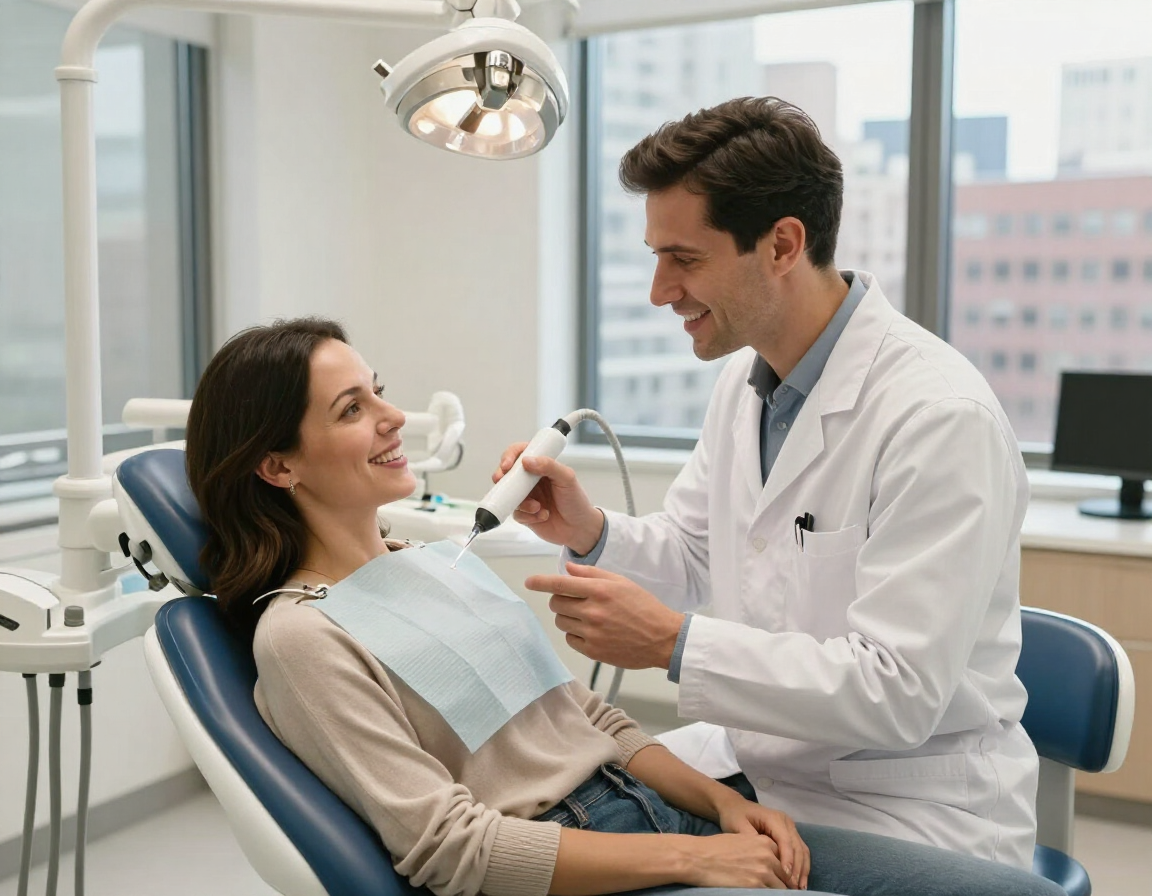
Your visit will begin with an evaluation and discussion of your concerns. The dentist will review your oral health, explain the recommended procedure, and answer questions about laser treatment. If laser dentistry is appropriate, the team will prepare the area and protect your eyes as needed.
During treatment, you may notice light pressure, warmth, or a faint sound, depending on the laser and procedure. You should tell the dentist if anything feels uncomfortable. Afterward, you will receive instructions for eating, brushing, rinsing, medication, and follow-up care.
Recovery varies. Some patients return to normal activities quickly, while others need to follow specific restrictions. Following instructions closely is one of the best ways to support healing.
A simple preparation checklist
- Share your medical history and current medications
- Tell the team about allergies, sensitivity, or dental anxiety
- Ask what to eat or avoid before the appointment
- Plan transportation if sedation or a more involved procedure is expected
- Save your aftercare instructions for easy reference
Is laser dentistry safe?
Laser dentistry is widely used in appropriate clinical settings by trained dental professionals. As with any treatment, safety depends on proper diagnosis, suitable equipment, correct technique, and careful protection for the patient and care team.
A consultation is the right place to discuss benefits, limitations, alternatives, and possible risks. If you have gum disease, sensitive teeth, a medical condition, or a history of difficult dental experiences, share that information openly. It helps your dentist design a safer, more comfortable plan.
Questions to ask your dentist about laser treatment
Before choosing laser dentistry, ask:
- Is laser treatment appropriate for my diagnosis?
- What benefits might it offer compared with another technique?
- Will I need local anesthesia?
- How should I prepare, and what will recovery involve?
- What are my alternatives?
A trustworthy dental practice will give you a clear answer rather than suggesting that one technology is best for everyone. The decision should reflect your health, comfort, treatment goals, and the dentist’s clinical judgment.
Share this article