
How to Stop Teeth Grinding With Nightguards
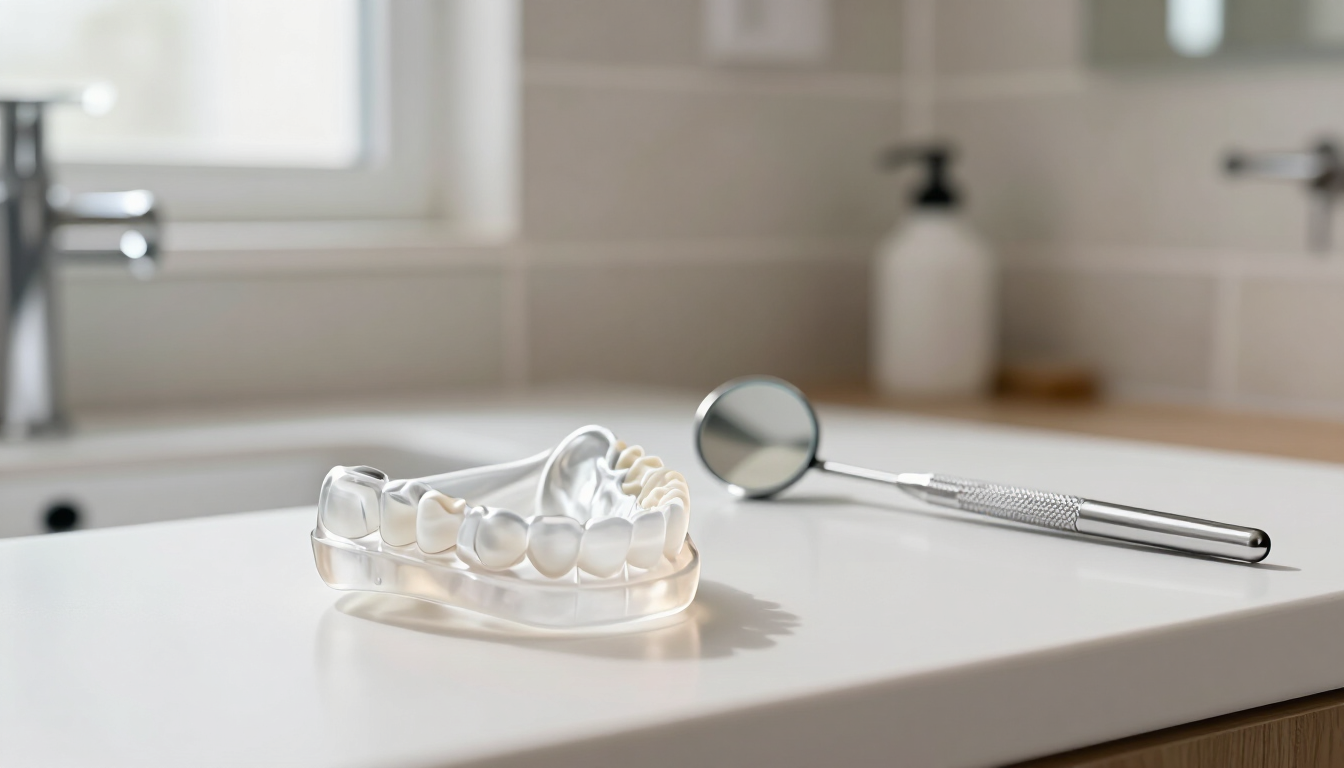
Teeth grinding, or bruxism, is the unconscious clenching or rubbing of teeth, often during sleep. Common clues include morning jaw soreness, headaches, tooth sensitivity, and reports of grinding from a partner. A custom nightguard can cushion your teeth, reduce muscle strain, and help prevent worsening damage.
What are the signs you may be grinding your teeth at night?
Nighttime grinding can be difficult to notice because it happens while you sleep. Many New York City adults discover it only after a dental exam or when a partner hears a repeated clicking or scraping sound.
Look for these common signs:
- Jaw soreness, tightness, or fatigue when you wake up
- Morning headaches, especially around the temples
- Tooth sensitivity to cold, heat, or sweets
- Chipped, flattened, or visibly worn teeth
- Small cracks, loose fillings, or recurring dental repairs
You may also notice tenderness near the ears or difficulty opening your mouth comfortably. These symptoms can overlap with other dental or medical concerns, so an evaluation is the best way to identify the cause.
Why does stress make teeth grinding worse?
Stress does not cause every case of bruxism, but it can increase clenching and make nighttime grinding more frequent or forceful. Adults managing demanding work, poor sleep, anxiety, or muscle tension may hold their jaw tightly without realizing it.
Daytime habits can contribute, too. Pay attention if you regularly clench while driving, working at a screen, exercising, or concentrating. Caffeine and disrupted sleep may also make symptoms more noticeable for some people.
Helpful first steps include:
- Relax your jaw: keep your lips together, teeth slightly apart, and tongue resting comfortably.
- Use a warm compress on sore jaw muscles for 10–15 minutes.
- Notice when you clench and place reminders near your computer or phone.
- Maintain a consistent sleep schedule and discuss persistent sleep problems with a healthcare professional.
- Schedule a dental evaluation if pain, sensitivity, or tooth wear continues.
These measures may reduce strain, but they do not repair enamel that has already been lost.
When do you need a custom nightguard?
You may benefit from a custom nightguard if you grind regularly, wake with jaw pain, have significant tooth wear, or have dental restorations that need protection. A dentist can examine your bite, muscles, teeth, and existing dental work before recommending the right type of guard.
A custom guard is made from impressions or a digital scan of your mouth. Because it is designed for your bite, it typically fits more securely and comfortably than a generic boil-and-bite product. It should not feel excessively tight, cause new pain, or change your bite when you remove it.
A nightguard is especially worth discussing if you have:
- Crowns, veneers, bridges, or large fillings
- Cracked or repeatedly damaged teeth
- Persistent jaw tenderness or facial muscle fatigue
- A history of headaches linked to clenching
- A guard that feels uncomfortable or no longer fits
Learn more about treatment options on our Nightguards & Occlusal Guards page.
How does a nightguard protect your teeth and jaw?
A nightguard creates a protective barrier between the upper and lower teeth. It helps distribute biting forces and limits direct tooth-on-tooth contact, reducing the impact of clenching and grinding.
It may help protect against:
- Enamel wear and increasing tooth sensitivity
- Chips, cracks, and fractures
- Damage to fillings, crowns, and other restorations
- Excess strain on chewing muscles and the jaw joints
A nightguard does not necessarily stop the behavior causing bruxism. Instead, it helps manage the consequences while your dentist looks for contributing factors. Treatment may also involve bite evaluation, stress and sleep discussions, or addressing other dental concerns through General Dentistry .

Are over-the-counter nightguards effective?
Over-the-counter guards can provide temporary protection, but they are not appropriate for everyone. Some are bulky, shift during sleep, interfere with speech, or feel uncomfortable. An ill-fitting guard may also worsen jaw discomfort or make it harder to identify an underlying bite problem.
A store-bought option may be reasonable as a short-term step while you arrange an appointment, but persistent grinding or pain deserves professional guidance. Do not continue using a guard that causes soreness, numbness, changes in your bite, or difficulty closing your mouth.
Can teeth grinding cause jaw pain or headaches?
Yes. Repeated clenching can overwork the muscles used for chewing and may cause morning jaw pain, facial tenderness, temple headaches, or discomfort near the ears. Some people also notice clicking or limited movement.
Severe pain, swelling, a locked jaw, sudden inability to open or close your mouth, or a damaged tooth should be assessed promptly. A dental examination can help distinguish bruxism from tooth infection, bite issues, joint problems, or other causes.
What should you expect at a nightguard appointment?
Your dentist will ask about symptoms, sleep, stress, medications, and daytime clenching. The examination may include checking tooth wear, cracks, sensitivity, jaw movement, muscle tenderness, and how your teeth meet.
If a custom nightguard is appropriate, the practice will take an impression or digital scan. At a follow-up visit, the guard is checked and adjusted so it rests comfortably and supports your bite. You will also receive instructions for cleaning, storage, and follow-up care.
Bring any current guard to the appointment, even if it is uncomfortable. It can help your dentist understand how it fits and where pressure may be developing. If you are ready to discuss symptoms, contact our office to request an appointment in New York City.
Frequently asked questions
Can a nightguard cure teeth grinding?
No. A nightguard protects teeth and may reduce strain, but it does not always eliminate bruxism. Your dentist can help identify triggers and monitor changes over time.
How often should a nightguard be replaced?
It depends on the material, fit, and severity of grinding. Have it checked if it becomes thin, cracked, distorted, uncomfortable, or no longer fits correctly.
Should I wear a nightguard every night?
Use it according to your dentist’s instructions. Consistent use is generally most helpful when grinding occurs frequently, but your plan should reflect your symptoms and oral health.
Key takeaways
Teeth grinding can quietly damage enamel and restorations while contributing to jaw pain and headaches. Morning symptoms, tooth wear, sensitivity, or a partner’s observations are reasons to schedule an evaluation. A custom nightguard may be the right choice when grinding is frequent, forceful, or affecting your dental work. It cushions contact between teeth and helps distribute pressure, but it works best alongside professional assessment and healthy sleep and stress habits. If you notice ongoing symptoms, compare your options with a New York City dentist and take the next step before small signs become expensive damage.
Share this article