5 Ways to Fix Bad Breath in New York City
Bad breath, or halitosis, is usually caused by odor-producing bacteria on the tongue, between teeth, or around the gums. Dry mouth, certain foods, tobacco, and dental problems can contribute. Daily brushing, tongue cleaning, flossing, hydration, and regular dental care often help—but persistent odor deserves a professional evaluation.
What causes bad breath?
Bad breath can have a simple everyday cause, but it may also signal a dental or medical concern. Common causes include:
- Bacteria and food particles between teeth
- A coated tongue, where odor-producing bacteria collect
- Gum disease, cavities, or an ill-fitting dental restoration
- Dry mouth from dehydration, medications, mouth breathing, or snoring
- Garlic, onions, coffee, alcohol, tobacco, or very restrictive diets
- Throat infections, sinus drainage, reflux, or other health conditions
The mouth is the most common source of ongoing halitosis. That is why improving brushing and flossing may help, but it is not always enough. If you notice bleeding gums, tooth pain, a bad taste, or odor that continues despite good home care, schedule a dental examination.

How can you get rid of bad breath every day?
A consistent routine is often the most effective first step. Try these five practical habits:
- Brush twice a day. Use fluoride toothpaste and brush for about two minutes, reaching the gumline and back teeth.
- Clean your tongue. Gently use a tongue scraper or toothbrush to remove the coating where bacteria gather.
- Floss or use interdental cleaners daily. Cleaning between teeth removes trapped particles that brushing cannot reach.
- Drink water regularly. Hydration supports saliva flow, which naturally helps wash away odor-causing substances.
- Keep dental visits on schedule. Professional cleanings and exams can identify plaque buildup, cavities, and gum problems early.
Sugar-free gum can temporarily freshen breath and stimulate saliva, especially after meals. Mouthwash may also help, but it should support—not replace—brushing, tongue cleaning, and interdental care. If a product causes irritation or masks odor without improving it, ask your dentist whether it is right for you.
Is bad breath caused by gum disease or cavities?
It can be. Plaque contains bacteria that irritate the gums. Over time, this may lead to gingivitis or periodontal disease, which can cause persistent odor, bleeding, tenderness, swelling, or gums that pull away from the teeth. Cavities and infected teeth may also produce a foul smell or unpleasant taste.
A dental examination helps determine whether the source is plaque, decay, gum infection, a restoration, or something outside the mouth. Dr. Donald Marks provides comprehensive care for adults and families through general dentistry , including preventive evaluations and treatment planning.
When should you see a dentist for bad breath?
Make an appointment if bad breath:
- Lasts longer than two weeks despite careful home care
- Returns frequently or is getting worse
- Comes with bleeding, swollen, or painful gums
- Occurs with tooth sensitivity, pain, looseness, or a persistent bad taste
- Is accompanied by dry mouth, mouth sores, fever, or trouble swallowing
You should seek prompt dental care for facial swelling, severe tooth pain, fever, or difficulty breathing or swallowing. These symptoms may indicate an infection that needs timely attention.
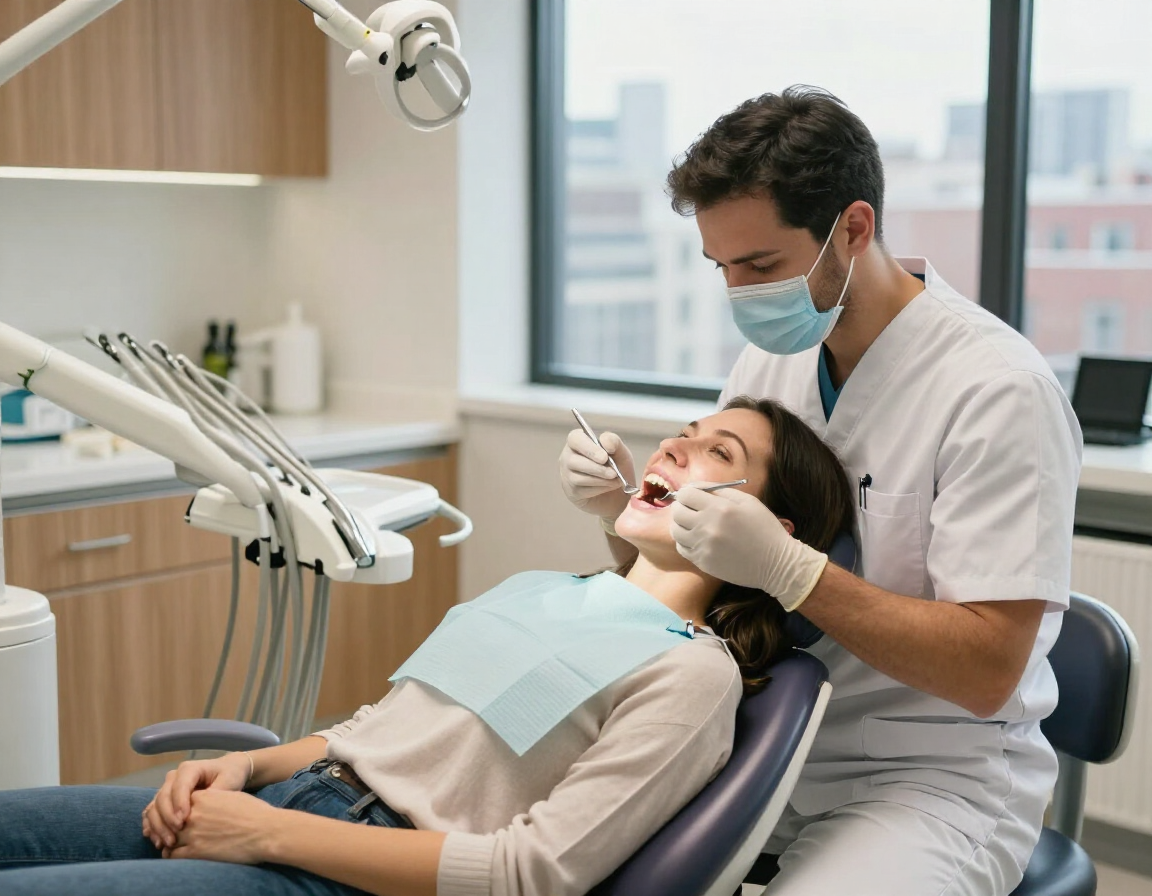
A dentist can examine your teeth, gums, tongue, and existing dental work. Depending on what is found, treatment may include a professional cleaning, cavity care, gum treatment, advice for dry mouth, or referral to a medical professional when the cause is not primarily dental.
Can dry mouth make your breath smell?
Yes. Saliva helps clear food particles and balance bacteria. When the mouth is dry, odor can become more noticeable. Dry mouth may result from dehydration, medications, caffeine, alcohol, tobacco, mouth breathing, or some health conditions.
To support saliva flow, sip water throughout the day, chew sugar-free gum, and limit tobacco and excess alcohol. Do not stop a prescribed medication without speaking with your physician. Tell your dentist if dry mouth is ongoing, because it can also increase the risk of cavities and irritation.
What should you know about bad breath and diet?
Strong-smelling foods can temporarily affect breath, while very low-carbohydrate diets may create a distinct odor from ketones. Coffee and alcohol can also contribute by drying the mouth. These effects often improve after eating, drinking water, and cleaning your mouth.
A balanced eating pattern and regular hydration are better long-term strategies than relying on mints. Sugar-filled candies may feed bacteria and increase the risk of decay. Choose water and sugar-free gum when you need a convenient freshening option.
Bad breath FAQ
Is bad breath always a sign of poor hygiene?
No. Even people with thorough oral hygiene can experience halitosis from dry mouth, diet, medications, gum disease, sinus drainage, reflux, or another health issue. Persistent odor should be evaluated rather than treated as a personal failing.
Does mouthwash cure bad breath?
Mouthwash can temporarily reduce odor, and some formulas help control bacteria. It does not cure cavities, advanced gum disease, or other underlying causes. Ask your dentist which type is appropriate, especially if you have dry mouth or mouth irritation.
How do I know if I have bad breath?
Ask someone you trust for honest feedback, or notice whether you have a persistent unpleasant taste or dry mouth. Licking your wrist is not a reliable test. A dental professional can identify odor sources and check for conditions you may not see yourself.
Can a dentist help with chronic halitosis?
Yes. A dentist can assess the teeth, gums, tongue, saliva, and dental restorations; remove hardened buildup; and recommend treatment or a medical referral. Bring a list of medications and note when the odor began.

Take the next step toward fresher breath
Most bad breath improves when you clean teeth and tongue consistently, floss daily, stay hydrated, and address the dental cause instead of covering odor with mints. If halitosis lasts more than two weeks—or appears with bleeding gums, pain, decay, or dry mouth—book an evaluation. Dr. Donald Marks and his caring team welcome patients from Murray Hill, Kips Bay, NoMad, and throughout New York City. Learn more about the practice on the About page, read patient reviews , or contact the office to request an appointment and discuss a comfortable plan for healthier breath.
Share this article